

Car Electrical Repair

Professional service presentation

First service offering

Second service offering

Third service offering

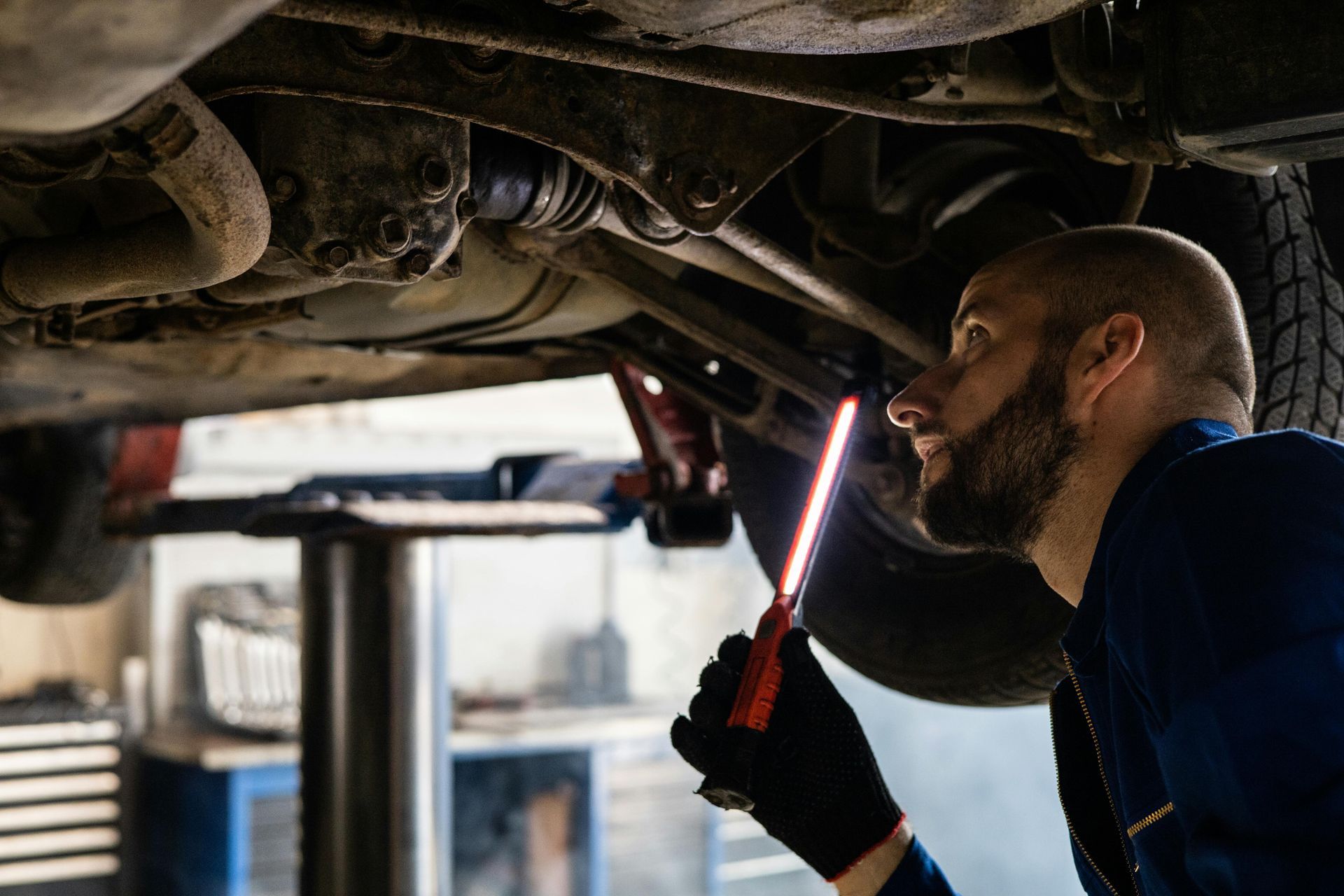
Mechanic inspecting the underside of a vehicle with a flashlight in an auto repair shop
May 20, 2026
Learn how much a North Carolina State Inspection costs, what’s included, emissions testing requirements, and why drivers trust Chapel Hill Tire for fast, reliable inspections.

Mechanic using a power tool to remove a car wheel lug nut in a garage
April 29, 2026
Chapel Hill Tire now offers Continental tires with no installation cost. Enjoy premium brands, transparent pricing, and a better tire buying experience.
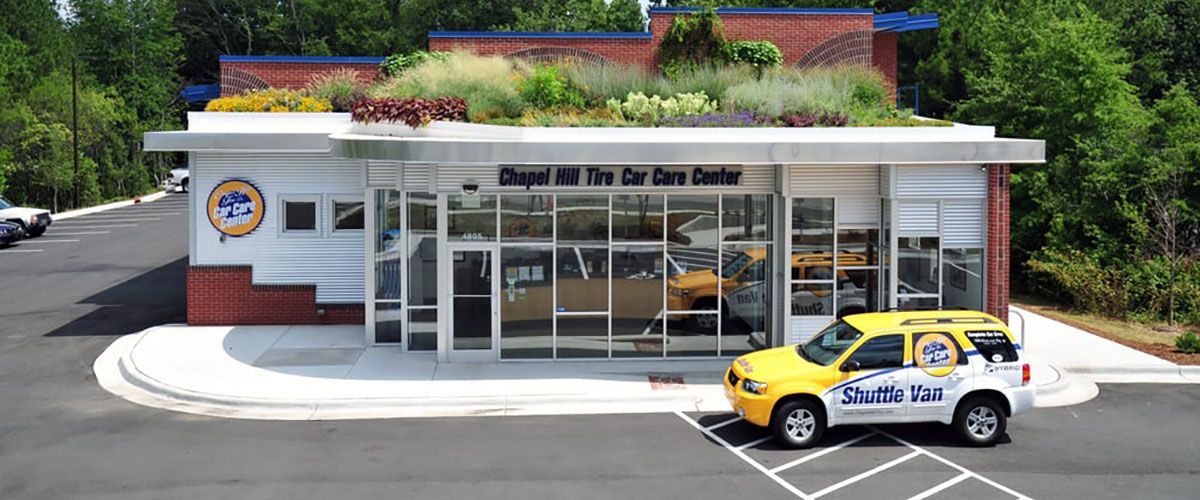
Drive-thru bank building with glass entrance and a yellow service car parked outside.
April 29, 2026
Compare Chapel Hill Tire vs dealerships and discover a better tire buying experience with transparent pricing, premium brands, and no installation costs.

A white Subaru Outback parked on a dirt path in a forest of tall, slender pine trees.
March 20, 2026
Experiencing uneven tire wear or pulling in your Subaru Outback? Learn the signs of alignment issues and get expert wheel alignment service at Chapel Hill Tire.
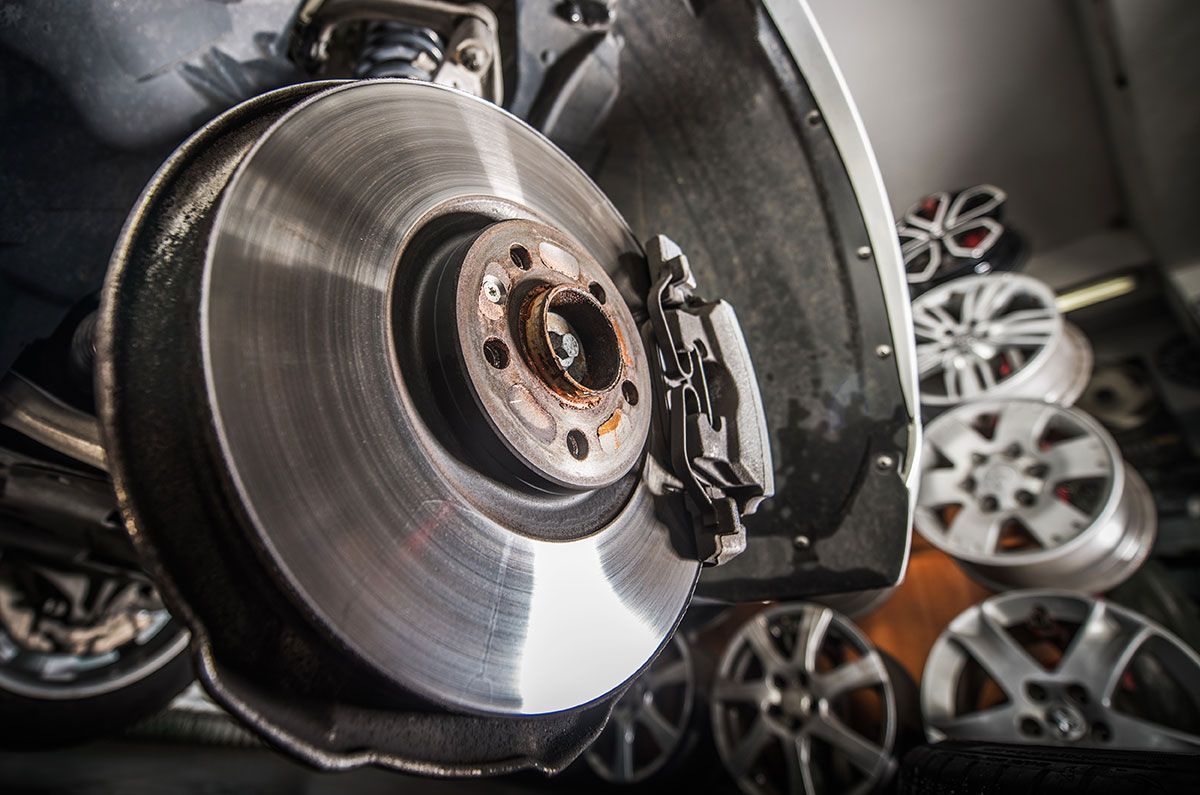
A car brake disc and caliper assembly in a garage, with several spare alloy wheels stacked in the blurred background.
March 20, 2026
Replacing brake pads? Learn when you need new rotors, why modern vehicles often require both, and get expert brake service at Chapel Hill Tire.

Cars buried under heavy snow on a street, winter scene.
By Chapel Hill Tire March 10, 2026
Cars from northern or coastal states often face salt-related rust and corrosion. Learn why sharing your car’s history helps your mechanic inspect, diagnose, and repair it more accurately.

Mechanic in blue overalls on phone, holding clipboard, near a reddish-orange car inside a garage.
By Chapel Hill Tire February 17, 2026
Learn how to describe car noises clearly, including what it sounds like, when it happens, and where it comes from, so your technician can diagnose and fix it faster.

Black BMW X3 SUV driving on a road next to a building.
February 11, 2026
Automakers are adding subscription fees for features like heated seats and remote start. Learn how vehicle subscription models affect ownership, costs, and maintenance.
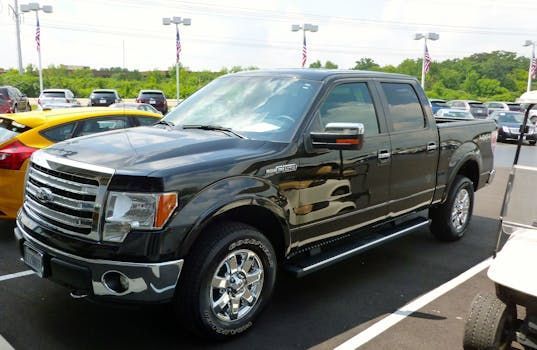
Black Ford F-150 pickup truck parked in a car lot with other vehicles, sunny day.
February 9, 2026
Learn the most common Ford F-150 suspension problems, warning signs to watch for, and when to schedule professional suspension repair at Chapel Hill Tire.
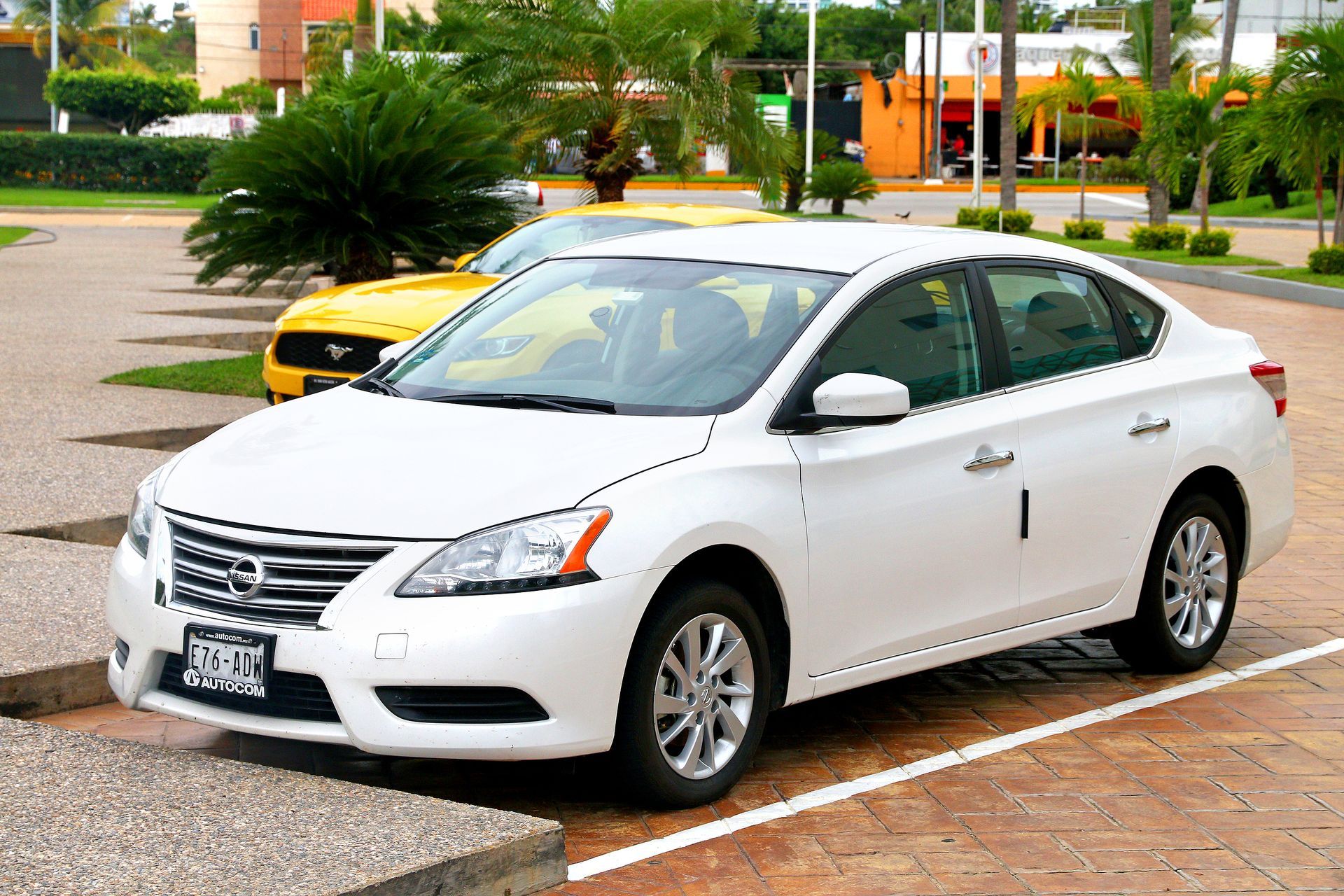
White Nissan Sentra parked in a paved lot, with a yellow car in the background; palms trees and a building are visible.
January 27, 2026
Learn how often a Nissan Sentra needs an oil change, what affects oil life, and when to service it. Get expert oil change service at Chapel Hill Tire.


Electrical System Services FAQ

  • What does electronic system repair in vehicles involve?

    Electronic system repair involves diagnosing and fixing issues with a vehicle's electrical components. This can include the onboard computer systems, wiring harnesses, sensors, entertainment systems, and digital dashboards, as well as navigation, communication, and driver assistance technologies.
  • How often should my vehicle’s electronic systems be checked?

    While there’s no set schedule for electronic checks, it’s advisable to have your systems looked at as part of regular vehicle servicing, or immediately if you notice any problems like dashboard warning lights, erratic system behavior, or malfunctions in electronic devices.
  • What are common signs of electronic system issues?

    Common signs include:

    Unexplained battery drain.
    Warning lights on the dashboard.
    Non-responsive or erratic behavior from electronic components (e.g., touchscreens, digital displays).
    Issues with car stereo or navigation systems.
    Problems with automatic locking mechanisms or key fob functions.
  • What does a typical diagnostic test for vehicle electronics include?

    A typical diagnostic involves connecting your vehicle’s computer system to a scanner that reads various data points to identify error codes and malfunctions. This test can pinpoint issues within the vehicle’s electronic circuits and software, helping technicians recommend the necessary repairs.
  • Can I perform electronic repairs on my own?

    Due to the complexity and the need for specialized tools and software, it is generally not recommended for individuals without training to attempt major electronic repairs. Small tasks, like changing fuses or replacing easily accessible sensors, can be done at home, but diagnosing and repairing more complex systems should be left to professionals.
  • What tools are needed for electronic system repairs?

    Professional electronic system repairs require tools such as OBD (On-Board Diagnostics) scanners, multimeters, oscilloscopes, and specific software for diagnosing the system and programming electronic units.
  • How much does it typically cost to repair a vehicle’s electronic system?

    Costs can vary widely based on the type of repair, the make and model of the vehicle, and the labor involved. Simple issues like sensor replacements may cost a few hundred dollars, while complex repairs involving major components like the ECU (Engine Control Unit) can run into the thousands.
  • What are the risks of ignoring electronic system issues?

    Ignoring electronic system issues can lead to more serious problems, including vehicle malfunctions, safety system failures, decreased vehicle performance, and increased repair costs over time. In some cases, it could also lead to vehicle breakdowns.
  • How can I maintain my vehicle’s electronic systems?

    Maintaining your vehicle's electronic systems involves keeping software up to date, ensuring that the vehicle's battery and alternator are in good condition, and having regular diagnostics performed by a professional. It’s also important to keep electronic contacts and connections clean and secure.
  • Are there any common misconceptions about vehicle electronics repair?

    One common misconception is that a vehicle’s electronic systems are so sophisticated that they require no maintenance. In reality, like any other part of a vehicle, electronic components can wear out and fail, and thus need regular checks and maintenance to function properly.
  • What causes power windows to stop working?

    Common causes of power window malfunctions include:

    Blown fuses or relays.
    Faulty window motors or switches.
    Damaged wiring or connections.
    Off-track windows due to mechanical issues.
    Worn out regulators (the mechanism that moves the window up and down).
  • How can I troubleshoot a power window that isn’t working?

    To troubleshoot a non-functioning power window, you can:

    Check the fuse and replace it if necessary.
    Listen for any noise from the motor when pressing the window button, which can indicate whether the motor is still trying to work.
    Inspect the switch for any signs of damage or wear.
    Consult a professional to check the wiring and motor if simple checks don’t resolve the issue.
  • What are the signs of power lock problems in vehicles?

    Signs that your power locks may be malfunctioning include:

    Locks that are slow to respond or don't respond at all.
    Locks that operate inconsistently.
    Unusual noises when trying to lock or unlock.
    One door not locking or unlocking with the rest.
  • What causes power locks to fail?

    Power lock failures can be caused by:

    Faulty actuators (the device that actually moves the locks).
    Dead batteries in key fobs.
    Blown fuses.
    Damaged or corroded wiring.
    Malfunctioning central locking module.
  • How can I fix malfunctioning power locks?

    Fixing power locks can involve:

    Replacing the battery in the key fob.
    Checking and replacing fuses as needed.
    Inspecting and repairing any damaged wiring.
    Replacing faulty actuators.
    In cases where the central locking module is suspected, professional diagnostic and repair will be necessary.

Featured Car Brands

Loading logos...

Featured Car Brands

Loading logos...