

Diesel Engine Repair

Professional service presentation

First service offering

Second service offering

Third service offering

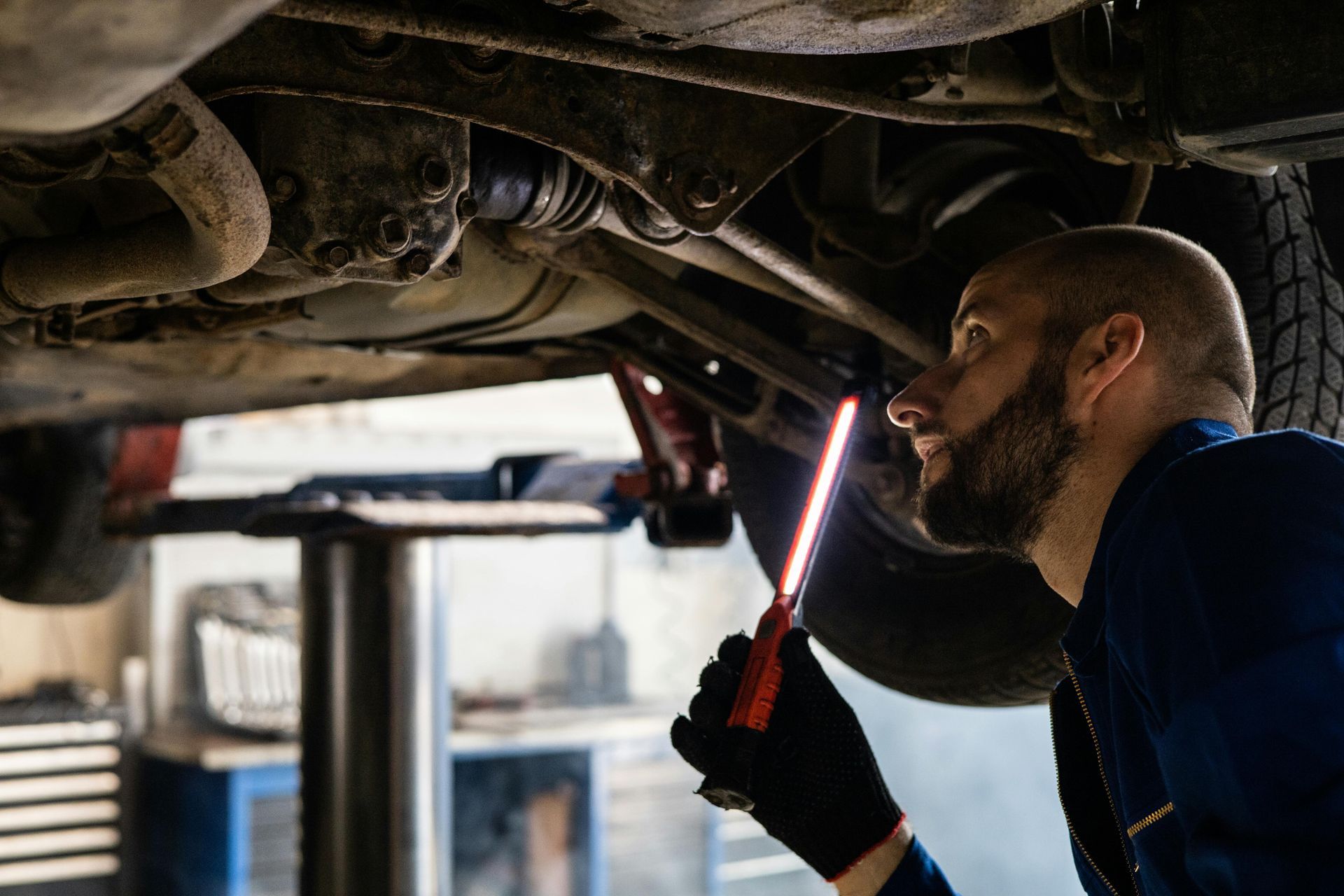
Mechanic inspecting the underside of a vehicle with a flashlight in an auto repair shop
May 20, 2026
Learn how much a North Carolina State Inspection costs, what’s included, emissions testing requirements, and why drivers trust Chapel Hill Tire for fast, reliable inspections.
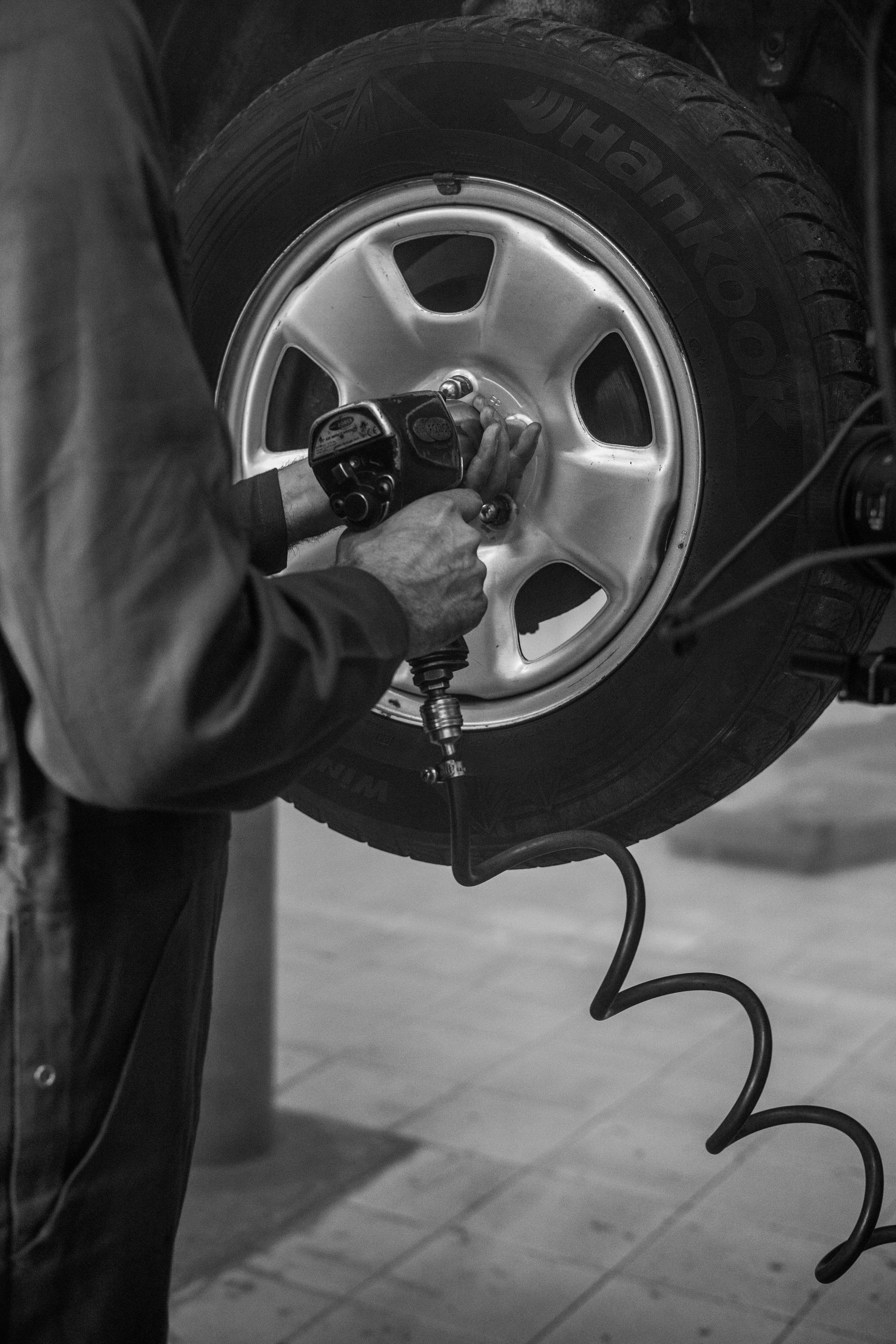
Mechanic using a power tool to remove a car wheel lug nut in a garage
April 29, 2026
Chapel Hill Tire now offers Continental tires with no installation cost. Enjoy premium brands, transparent pricing, and a better tire buying experience.

Drive-thru bank building with glass entrance and a yellow service car parked outside.
April 29, 2026
Compare Chapel Hill Tire vs dealerships and discover a better tire buying experience with transparent pricing, premium brands, and no installation costs.

A white Subaru Outback parked on a dirt path in a forest of tall, slender pine trees.
March 20, 2026
Experiencing uneven tire wear or pulling in your Subaru Outback? Learn the signs of alignment issues and get expert wheel alignment service at Chapel Hill Tire.
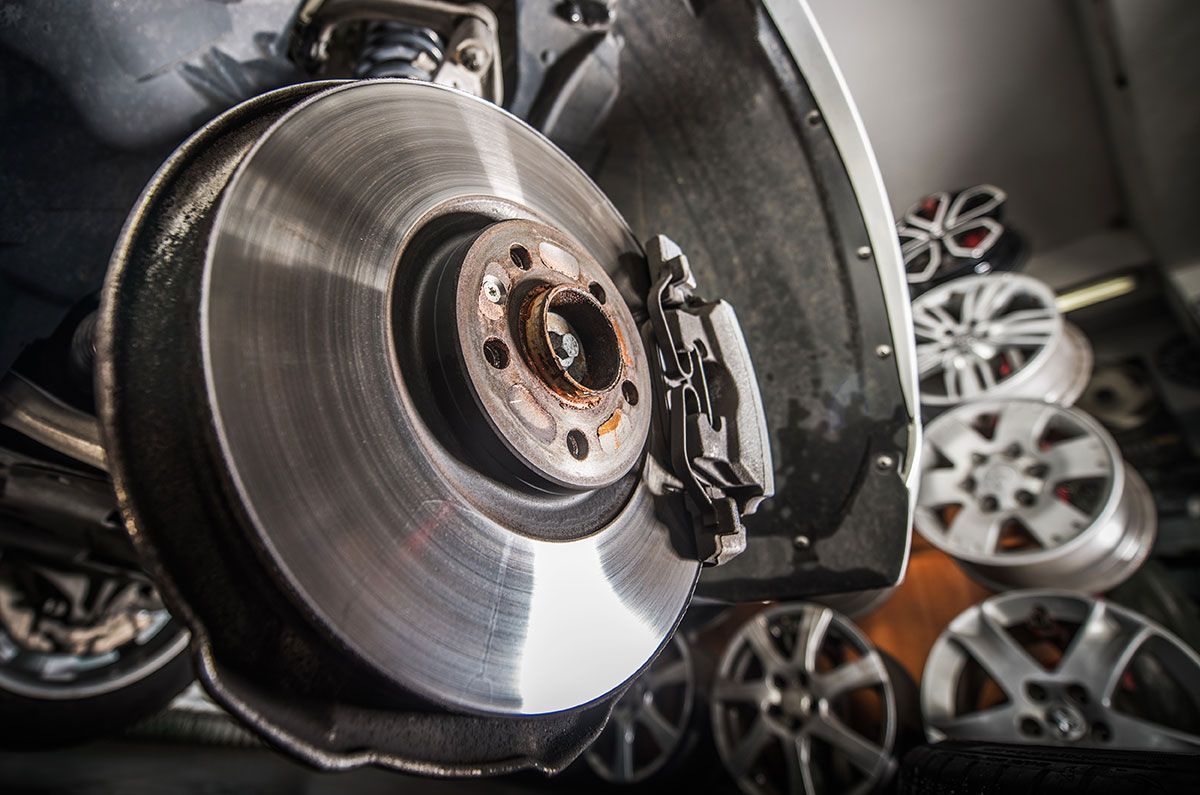
A car brake disc and caliper assembly in a garage, with several spare alloy wheels stacked in the blurred background.
March 20, 2026
Replacing brake pads? Learn when you need new rotors, why modern vehicles often require both, and get expert brake service at Chapel Hill Tire.

Cars buried under heavy snow on a street, winter scene.
By Chapel Hill Tire March 10, 2026
Cars from northern or coastal states often face salt-related rust and corrosion. Learn why sharing your car’s history helps your mechanic inspect, diagnose, and repair it more accurately.

Mechanic in blue overalls on phone, holding clipboard, near a reddish-orange car inside a garage.
By Chapel Hill Tire February 17, 2026
Learn how to describe car noises clearly, including what it sounds like, when it happens, and where it comes from, so your technician can diagnose and fix it faster.

Black BMW X3 SUV driving on a road next to a building.
February 11, 2026
Automakers are adding subscription fees for features like heated seats and remote start. Learn how vehicle subscription models affect ownership, costs, and maintenance.

Black Ford F-150 pickup truck parked in a car lot with other vehicles, sunny day.
February 9, 2026
Learn the most common Ford F-150 suspension problems, warning signs to watch for, and when to schedule professional suspension repair at Chapel Hill Tire.

White Nissan Sentra parked in a paved lot, with a yellow car in the background; palms trees and a building are visible.
January 27, 2026
Learn how often a Nissan Sentra needs an oil change, what affects oil life, and when to service it. Get expert oil change service at Chapel Hill Tire.


Diesel Engine Services FAQ

  • What are diesel engine services?

    Diesel engine services include regular maintenance and repair specifically tailored for diesel engines. Services often involve checking and replacing the fuel filters, air filters, oil filters, and engine oil, along with more detailed checks on the turbocharger, injectors, and cooling system components.
  • How often should a diesel engine be serviced?

    The frequency of diesel engine service depends on the manufacturer's recommendations and the vehicle's usage. Generally, it is advised to have a diesel engine serviced every 5,000 to 10,000 miles, but this interval can be shorter for vehicles under heavy use such as towing or high-mileage commercial vehicles.
  • What are the signs that my diesel engine needs servicing?

    Common signs that your diesel engine needs servicing include:

    Decreased fuel efficiency.
    Increased oil consumption.
    Excessive smoke from the exhaust.
    The engine is harder to start or runs unevenly.
    Unusual noises from the engine.
  • What does a typical diesel engine service include?

    A typical diesel engine service may include:

    Replacing the engine oil and oil filter.
    Checking and replacing the air and fuel filters if necessary.
    Inspecting and cleaning the turbocharger.
    Checking the cooling system for leaks and coolant quality.
    Inspecting the engine for leaks and wear.
    Testing the battery and charging system.
  • Can I perform diesel engine maintenance myself?

    While basic maintenance tasks such as changing oil and filters can be performed by a skilled owner, diesel engines require specialized knowledge and tools for more complex services. Professional servicing is recommended for tasks like fuel system adjustments, injector calibration, or turbocharger maintenance.
  • What is the difference between diesel engine oil and gasoline engine oil?

    Diesel engine oil typically has a higher viscosity and contains more additives to handle the unique demands of diesel engines, such as higher compression ratios and increased soot and residue management. It's crucial to use the correct type of oil as specified by the engine manufacturer to ensure proper lubrication and protection.
  • How do diesel engine services differ from gasoline engine services?

    Diesel engine services focus on aspects that are particularly critical in diesel engines, such as fuel system maintenance, including the injection system and more frequent replacement of fuel filters due to the diesel fuel's higher contamination levels. Additionally, due to higher operating pressures, inspections might focus more on the integrity of engine seals and the turbocharger system.
  • What are the consequences of neglecting diesel engine maintenance?

    Neglecting diesel engine maintenance can lead to several problems, including reduced engine performance, increased emissions, engine damage due to poor lubrication or contaminated fuel, and ultimately, a significantly shortened engine life.
  • What is the role of glow plugs in diesel engines, and how often should they be checked?

    Glow plugs are an essential component in diesel engines, helping to heat the engine's cylinders to ensure proper ignition of the diesel fuel, especially in cold weather. It's advisable to check glow plugs regularly, typically during annual services, or if you experience difficulty starting the engine in colder conditions. Replacement intervals can vary, but they should generally be replaced if found to be faulty during checks.
  • Why is it important to use high-quality diesel fuel in my engine?

    Using high-quality diesel fuel is crucial because impurities and lower-grade diesel can lead to increased engine wear, clogging of the fuel system, and reduced efficiency. High-quality diesel often includes additives that clean the fuel system and improve engine performance. Always aim to purchase fuel from reputable stations to avoid contamination that could harm your engine.
  • Can modern diesel engines use biodiesel, and are there any special considerations?

    Many modern diesel engines are compatible with biodiesel, but it's important to check with your vehicle's manufacturer for specific recommendations and the maximum allowable biodiesel content. Using biodiesel can impact engine oil life and fuel filter usage rates because biodiesel has different chemical properties than traditional diesel, such as higher solvent capabilities, which can lead to increased debris and residue in the engine.
  • What environmental impacts should I be aware of with diesel engines, and how can I minimize them?

    Diesel engines have been noted for higher emissions of particulates and NOx (nitrogen oxides) compared to gasoline engines, which can contribute to air pollution and health issues. Minimizing these impacts involves regular maintenance, using particulate filters, ensuring the engine is correctly tuned, and using low-sulfur diesel fuels. Newer diesel engines often come with advanced emission control systems, such as SCR (Selective Catalytic Reduction) and DPF (Diesel Particulate Filters), that significantly reduce harmful emissions.
  • How does cold weather affect diesel engines, and what preventive measures can I take?

    Cold weather can significantly affect diesel engine performance because diesel fuel can gel in low temperatures, preventing it from flowing correctly. To prevent this, use winterized diesel fuels that have a lower gel point, install a block heater to keep the engine warm overnight, and ensure that your battery is in good condition, as cold weather can also reduce battery performance.
  • What are common problems unique to diesel engines?

    Common problems unique to diesel engines include fuel contamination, increased soot buildup, turbocharger issues due to the high demand on this component, and more frequent EGR (Exhaust Gas Recirculation) system issues. Regular maintenance and timely checks can help prevent these issues and extend the life of the engine.

Featured Car Brands

Loading logos...

Featured Car Brands

Loading logos...