
Coolant Hose Replacement

Professional service presentation

First service offering

Second service offering

Third service offering

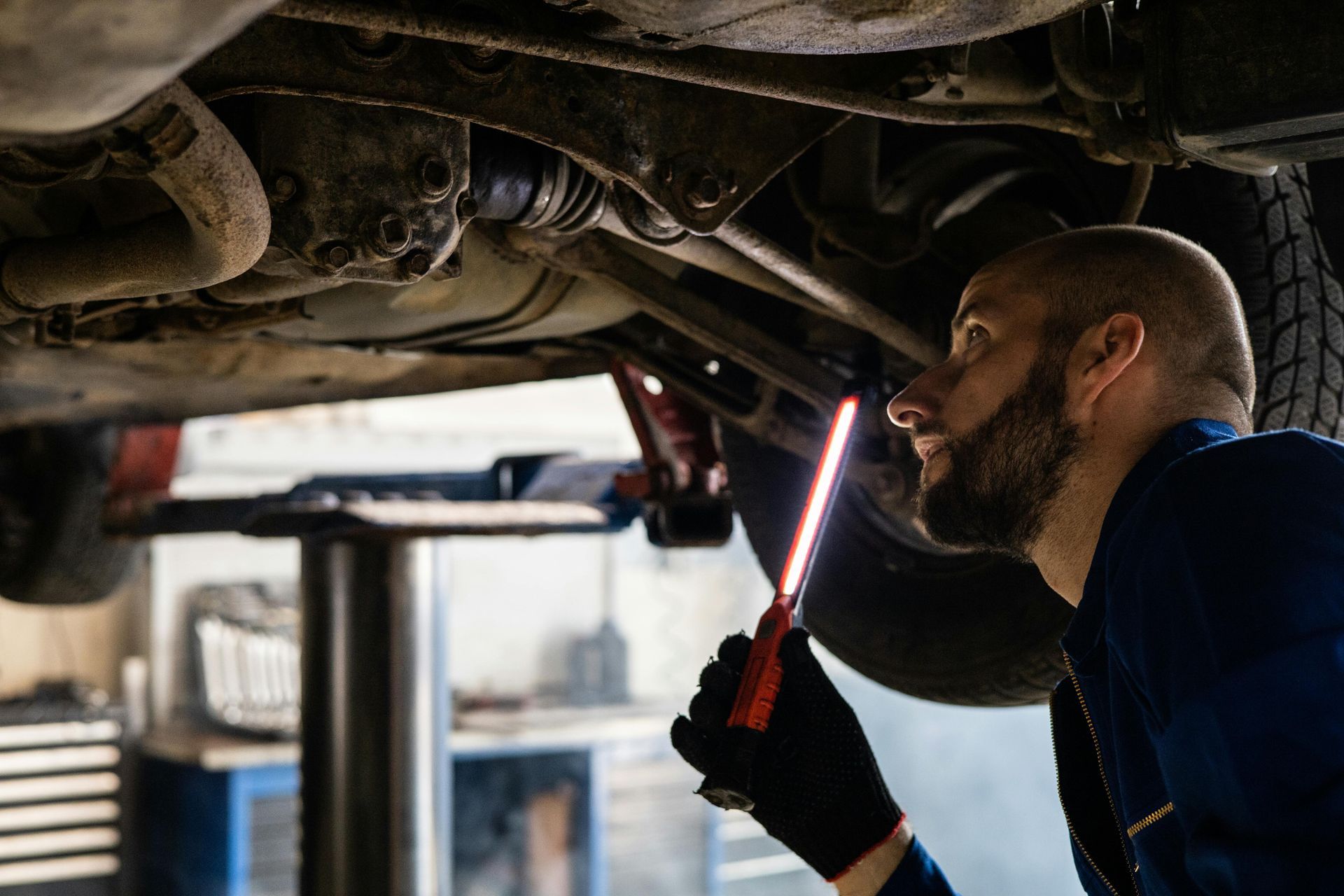
Mechanic inspecting the underside of a vehicle with a flashlight in an auto repair shop
May 20, 2026
Learn how much a North Carolina State Inspection costs, what’s included, emissions testing requirements, and why drivers trust Chapel Hill Tire for fast, reliable inspections.
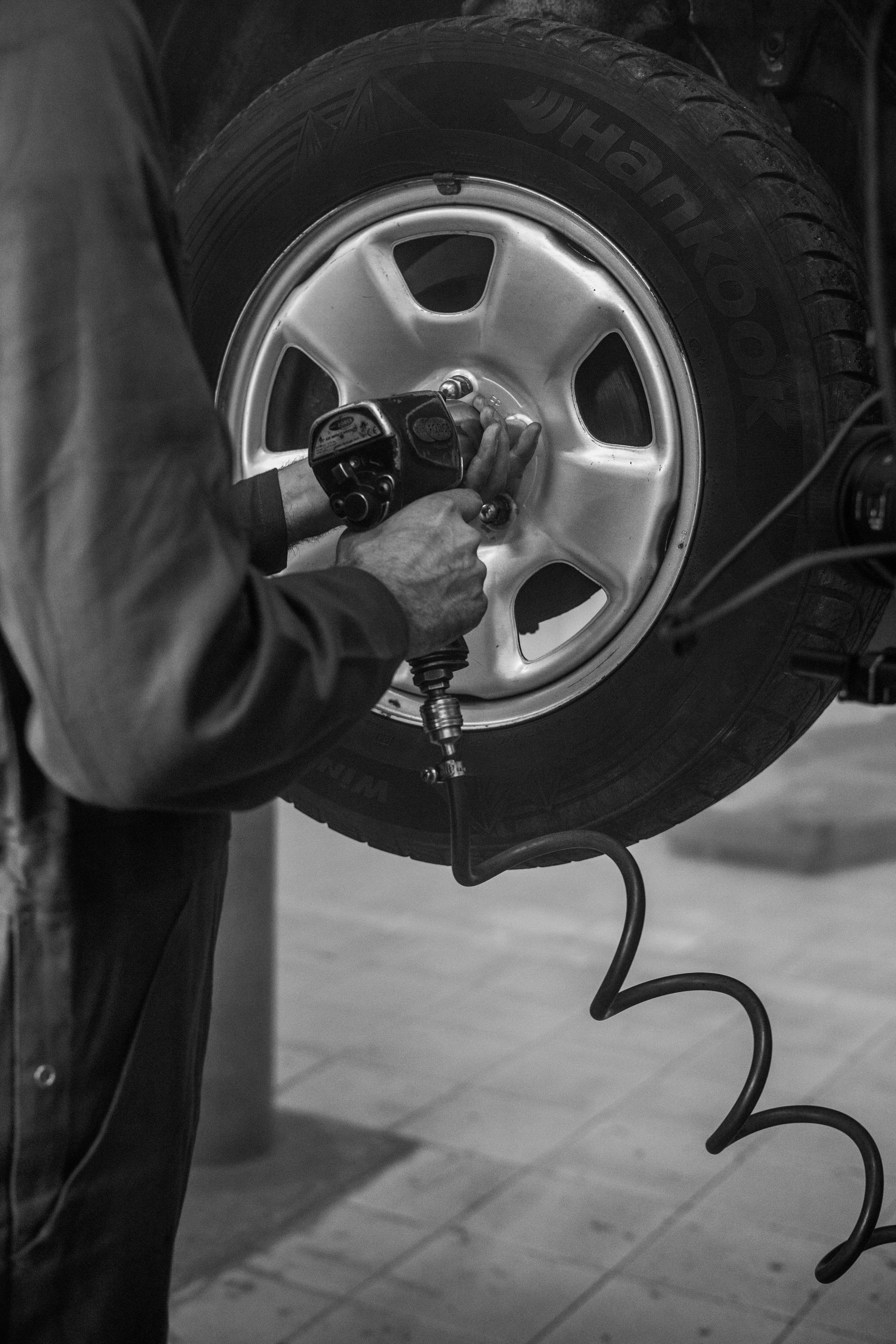
Mechanic using a power tool to remove a car wheel lug nut in a garage
April 29, 2026
Chapel Hill Tire now offers Continental tires with no installation cost. Enjoy premium brands, transparent pricing, and a better tire buying experience.
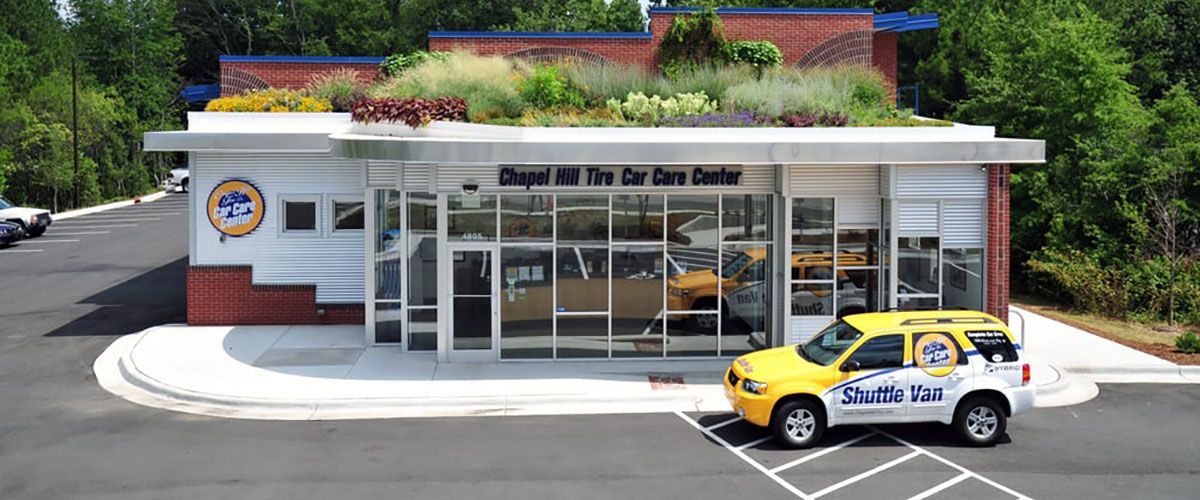
Drive-thru bank building with glass entrance and a yellow service car parked outside.
April 29, 2026
Compare Chapel Hill Tire vs dealerships and discover a better tire buying experience with transparent pricing, premium brands, and no installation costs.

A white Subaru Outback parked on a dirt path in a forest of tall, slender pine trees.
March 20, 2026
Experiencing uneven tire wear or pulling in your Subaru Outback? Learn the signs of alignment issues and get expert wheel alignment service at Chapel Hill Tire.
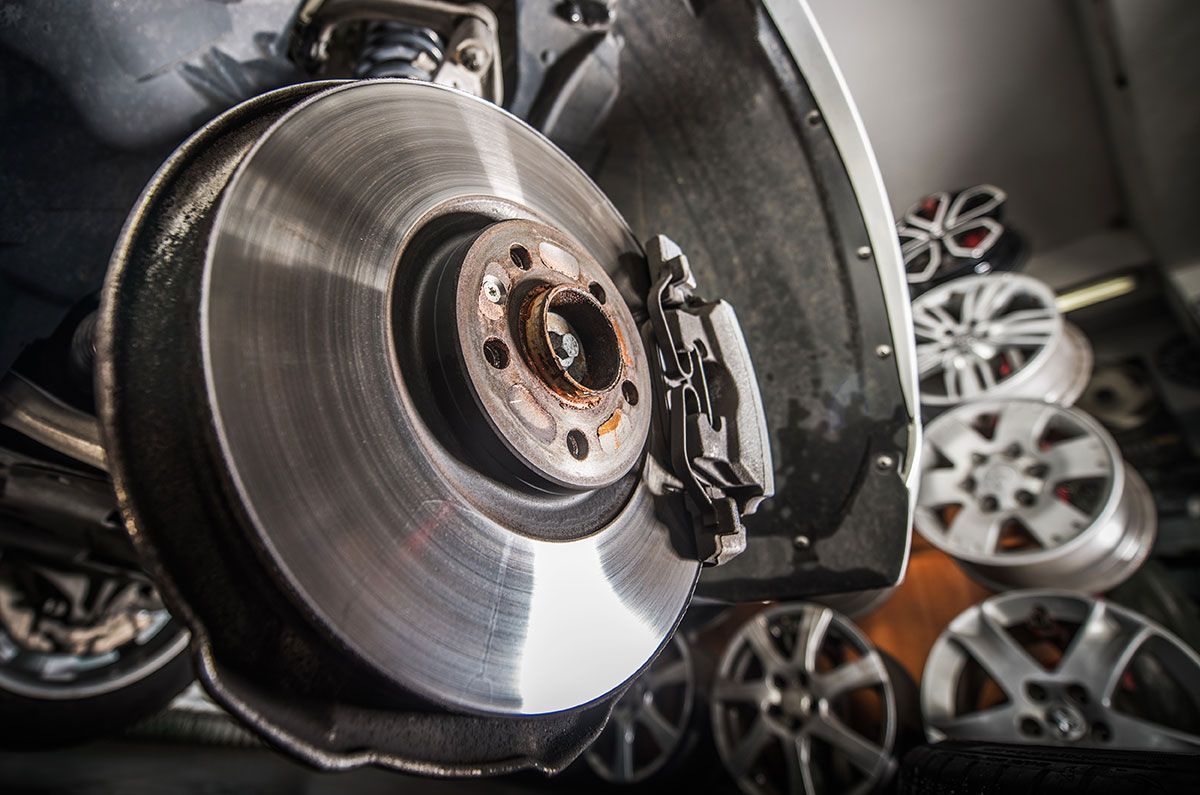
A car brake disc and caliper assembly in a garage, with several spare alloy wheels stacked in the blurred background.
March 20, 2026
Replacing brake pads? Learn when you need new rotors, why modern vehicles often require both, and get expert brake service at Chapel Hill Tire.

Cars buried under heavy snow on a street, winter scene.
By Chapel Hill Tire March 10, 2026
Cars from northern or coastal states often face salt-related rust and corrosion. Learn why sharing your car’s history helps your mechanic inspect, diagnose, and repair it more accurately.

Mechanic in blue overalls on phone, holding clipboard, near a reddish-orange car inside a garage.
By Chapel Hill Tire February 17, 2026
Learn how to describe car noises clearly, including what it sounds like, when it happens, and where it comes from, so your technician can diagnose and fix it faster.

Black BMW X3 SUV driving on a road next to a building.
February 11, 2026
Automakers are adding subscription fees for features like heated seats and remote start. Learn how vehicle subscription models affect ownership, costs, and maintenance.
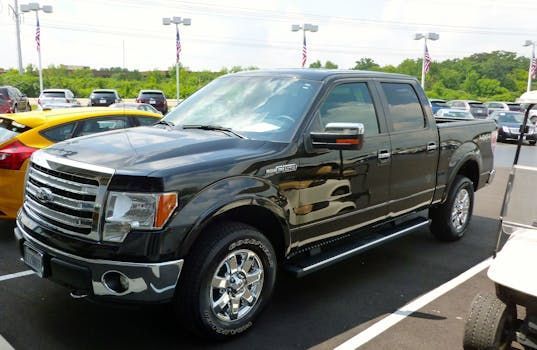
Black Ford F-150 pickup truck parked in a car lot with other vehicles, sunny day.
February 9, 2026
Learn the most common Ford F-150 suspension problems, warning signs to watch for, and when to schedule professional suspension repair at Chapel Hill Tire.

White Nissan Sentra parked in a paved lot, with a yellow car in the background; palms trees and a building are visible.
January 27, 2026
Learn how often a Nissan Sentra needs an oil change, what affects oil life, and when to service it. Get expert oil change service at Chapel Hill Tire.


Hose Services FAQ

  • What are the different types of hoses in a vehicle?

    Vehicles have several critical hoses that include coolant hoses, which carry antifreeze to and from the engine and radiator; oil hoses, which transport oil needed for lubrication; power steering hoses, which assist in transferring hydraulic fluid in the steering system; and AC hoses, which carry refrigerant in the air conditioning system.
  • How do I know when it’s time to replace my vehicle's hoses?

    Hoses should be checked regularly for signs of wear such as cracking, hardening, or softening and swelling. Leaks, noticeable fluid loss, or a decrease in system efficiency (like heating, cooling, or steering issues) also indicate that hose replacement may be necessary.
  • What causes hoses to fail?

    Hoses can deteriorate due to several factors including age, thermal cycling (repeated heating and cooling), exposure to chemicals, and physical damage from abrasion or mishandling. Regular inspections help identify potential failures before they become serious.
  • What is involved in replacing hoses?

    Replacing hoses involves draining any fluids, removing the failed hose, inspecting and possibly replacing related components (like clamps and fittings), installing a new hose, and refilling the system with the appropriate fluid. It’s essential to use the correct type and size of hose for each application.
  • How often should hoses be replaced?

    There is no universal schedule for hose replacement as it depends on the type of hose, vehicle usage, and environmental conditions. However, most manufacturers recommend inspecting hoses every 12,000 to 15,000 miles and replacing them as needed based on their condition.
  • Can I replace hoses by myself?

    Replacing some hoses, like certain coolant hoses, can be a straightforward DIY job. However, others, such as AC lines or power steering hoses, may require special tools and knowledge due to their complexity and the importance of proper installation. For these, it’s often best to consult a professional mechanic.
  • What risks are associated with delayed hose replacement?

    Delaying hose replacement can lead to critical failures in the respective systems, such as engine overheating from a burst coolant hose, reduced engine lubrication from a leaking oil line, compromised steering from a failing power steering hose, or loss of air conditioning functionality.
  • How long does it take to replace hoses in a vehicle?

    The time required can vary significantly based on the hose’s accessibility and the complexity of the system. Simple hose replacements might take an hour, whereas more involved jobs like replacing AC hoses could take several hours.
  • How can I book an appointment for hose replacement?

    You can schedule hose replacement by contacting our service center directly via phone, using our online booking tools on our website, or visiting our shop in person during business hours.

Featured Car Brands

Loading logos...

Featured Car Brands

Loading logos...