

Exhaust System Repair

Professional service presentation

First service offering

Second service offering

Third service offering

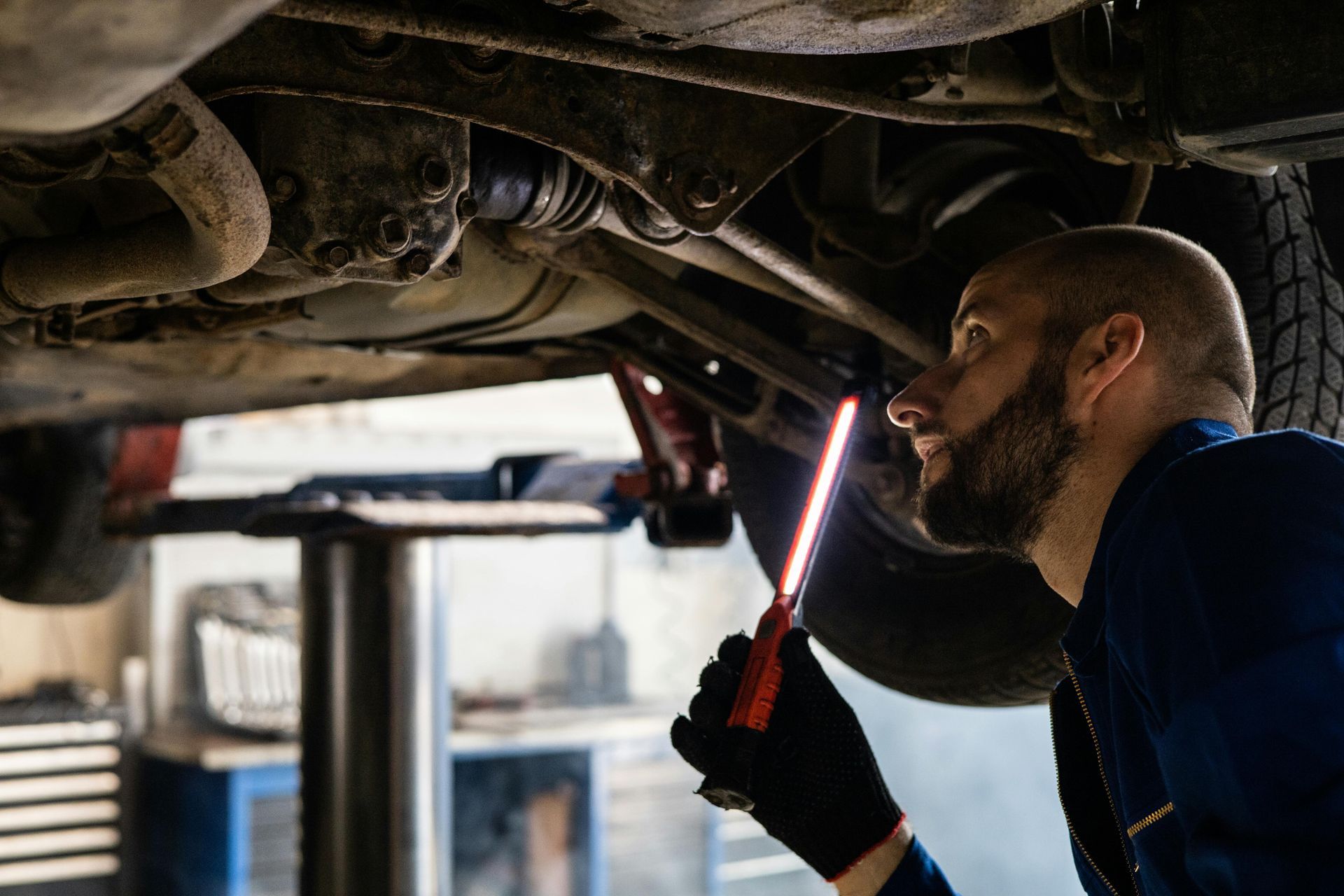
Mechanic inspecting the underside of a vehicle with a flashlight in an auto repair shop
May 20, 2026
Learn how much a North Carolina State Inspection costs, what’s included, emissions testing requirements, and why drivers trust Chapel Hill Tire for fast, reliable inspections.

Mechanic using a power tool to remove a car wheel lug nut in a garage
April 29, 2026
Chapel Hill Tire now offers Continental tires with no installation cost. Enjoy premium brands, transparent pricing, and a better tire buying experience.

Drive-thru bank building with glass entrance and a yellow service car parked outside.
April 29, 2026
Compare Chapel Hill Tire vs dealerships and discover a better tire buying experience with transparent pricing, premium brands, and no installation costs.

A white Subaru Outback parked on a dirt path in a forest of tall, slender pine trees.
March 20, 2026
Experiencing uneven tire wear or pulling in your Subaru Outback? Learn the signs of alignment issues and get expert wheel alignment service at Chapel Hill Tire.
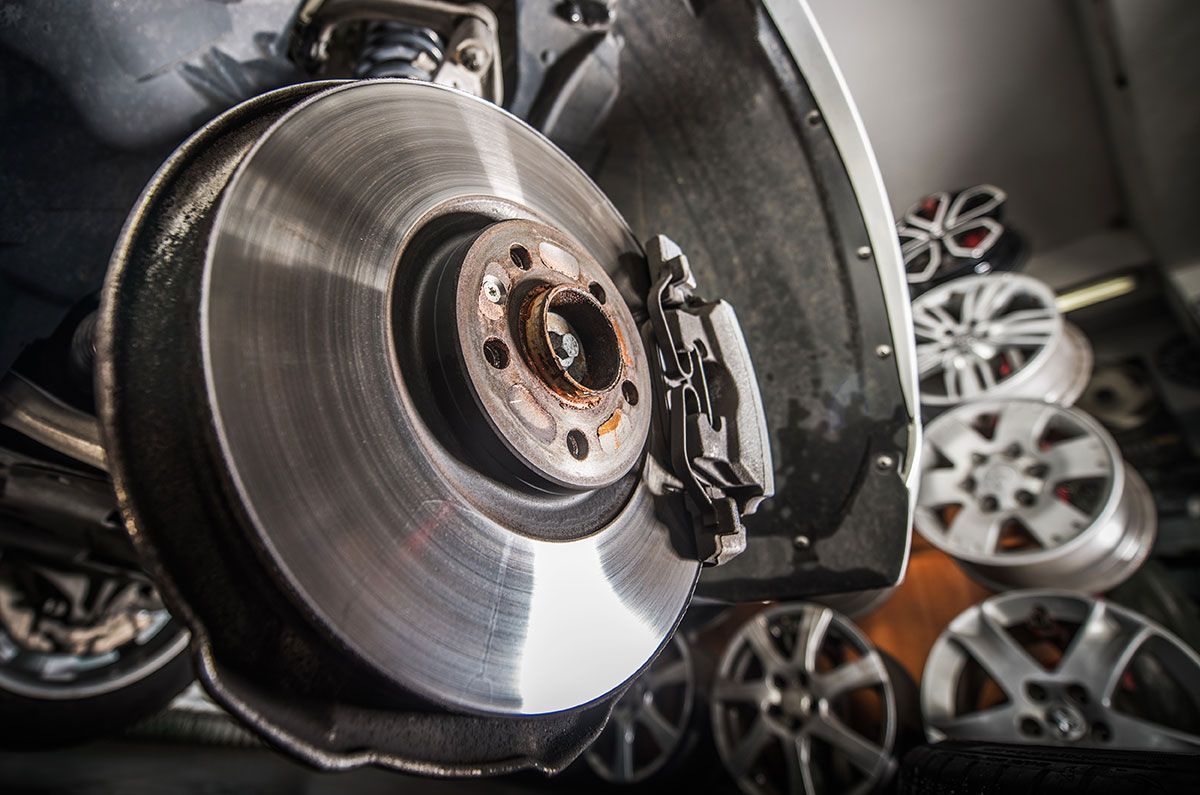
A car brake disc and caliper assembly in a garage, with several spare alloy wheels stacked in the blurred background.
March 20, 2026
Replacing brake pads? Learn when you need new rotors, why modern vehicles often require both, and get expert brake service at Chapel Hill Tire.

Cars buried under heavy snow on a street, winter scene.
By Chapel Hill Tire March 10, 2026
Cars from northern or coastal states often face salt-related rust and corrosion. Learn why sharing your car’s history helps your mechanic inspect, diagnose, and repair it more accurately.

Mechanic in blue overalls on phone, holding clipboard, near a reddish-orange car inside a garage.
By Chapel Hill Tire February 17, 2026
Learn how to describe car noises clearly, including what it sounds like, when it happens, and where it comes from, so your technician can diagnose and fix it faster.

Black BMW X3 SUV driving on a road next to a building.
February 11, 2026
Automakers are adding subscription fees for features like heated seats and remote start. Learn how vehicle subscription models affect ownership, costs, and maintenance.

Black Ford F-150 pickup truck parked in a car lot with other vehicles, sunny day.
February 9, 2026
Learn the most common Ford F-150 suspension problems, warning signs to watch for, and when to schedule professional suspension repair at Chapel Hill Tire.

White Nissan Sentra parked in a paved lot, with a yellow car in the background; palms trees and a building are visible.
January 27, 2026
Learn how often a Nissan Sentra needs an oil change, what affects oil life, and when to service it. Get expert oil change service at Chapel Hill Tire.


Exhaust Services FAQ

  • What are exhaust services?

    Exhaust services refer to the maintenance, repair, or replacement of components in your vehicle’s exhaust system. This includes the muffler, catalytic converter, exhaust pipes, and any sensors involved. These services help ensure your vehicle runs efficiently, remains environmentally friendly, and meets noise regulations.
  • How do I know if my exhaust system needs service?

    Signs that your exhaust system may need service include:

    Increased engine noise or a change in the exhaust sound.
    Visible rust or damage to the exhaust components.
    Smell of strong gases inside the car.
    Decrease in fuel efficiency.
    The presence of a rattling noise under the vehicle, which may indicate a loose component.
  • What causes exhaust system problems?

    Exhaust system problems can be caused by:

    Corrosion due to exposure to moisture and road salt.
    Physical damage from road debris or accidents.
    Normal wear and tear over time.
    Clogging or internal damage in the catalytic converter.
    Leaks in the exhaust manifold or piping.
  • What does a typical exhaust service include?

    A typical exhaust service might include:

    Inspection of the entire exhaust system for damage, leaks, and corrosion.
    Repair or replacement of damaged or worn components, such as the muffler, pipes, or catalytic converter.
    Checking and replacing exhaust hangers and seals if necessary.
    Emissions testing to ensure compliance with local environmental regulations.
  • How often should the exhaust system be checked?

    It's a good practice to have your exhaust system inspected at least once a year or during regular vehicle servicing. Immediate checks are recommended if you notice any symptoms of exhaust problems, such as loud noises or unusual odors.
  • What is the function of the catalytic converter?

    The catalytic converter is a crucial component of the exhaust system that reduces the harmful emissions produced by the engine. It converts pollutants like nitrogen oxides, carbon monoxide, and hydrocarbons into less harmful substances like nitrogen, carbon dioxide, and water vapor before they are expelled from the exhaust.
  • What is involved in muffler replacement?

    Muffler replacement involves removing the old, faulty muffler and installing a new one. This service is needed when the muffler is damaged or has corroded significantly, leading to excessive noise or reduced engine performance.
  • Can exhaust issues affect my vehicle’s performance?

    Yes, exhaust issues can significantly impact vehicle performance. Leaks can lead to decreased engine efficiency and power, increased emissions, and higher fuel consumption. Additionally, a failing catalytic converter can cause reduced engine performance and trigger the check engine light.
  • Is it possible to upgrade my exhaust system for better performance?

    Yes, many vehicle owners opt to upgrade their exhaust systems to improve performance, reduce weight, or achieve a desired sound aesthetic. Performance exhaust systems can increase the efficiency of exhaust outflow, potentially enhancing engine performance and fuel efficiency.
  • What is an oxygen sensor and what does it do?

    An oxygen sensor is a critical component in a vehicle's exhaust system that measures the ratio of oxygen in the exhaust gases. This information is sent to the vehicle’s engine control unit (ECU), which uses it to adjust the air-fuel mixture for optimal engine performance and to minimize emissions. Oxygen sensors help ensure the vehicle is running efficiently and meets emission standards.
  • What are upstream and downstream oxygen sensors?

    Upstream oxygen sensors are located before the catalytic converter in the exhaust system and primarily focus on measuring the amount of oxygen in the exhaust to optimize fuel mixture entering the engine. Downstream oxygen sensors are located after the catalytic converter and monitor the efficiency of the converter by comparing the oxygen levels before and after the catalytic process. This helps the ECU determine if the catalytic converter is functioning properly.
  • What happens if I ignore a faulty oxygen sensor?

    Ignoring a faulty oxygen sensor can lead to a range of engine and performance problems, including reduced fuel efficiency, increased emissions, potential damage to the catalytic converter, and poor engine performance. It can also lead to your vehicle failing emissions testing where required.
  • Are loud exhaust systems illegal?

    In many places, yes, loud exhaust systems are illegal if they exceed local noise ordinances. Most jurisdictions have specific regulations that limit the noise level a vehicle can legally produce. These regulations are often part of broader vehicle codes aimed at reducing noise pollution. It's important to check local laws to understand the specific noise limits and regulations in your area.
  • What are the penalties for having an illegally loud exhaust system?

    Penalties for having an illegally loud exhaust system can vary widely depending on local regulations. Common penalties include fines, having to pass a vehicle inspection to prove the exhaust noise has been brought within legal limits, or even impoundment of the vehicle in extreme cases. Repeat offenses may result in escalating fines and penalties.
  • Can I modify my exhaust system to be louder?

    While you can modify your exhaust system to be louder, it's important to ensure that any modifications still comply with local noise regulations. Before making any modifications, it's advisable to check local laws and consult with a professional to understand the impact on noise levels and vehicle performance.
  • What should I do if my vehicle’s exhaust system becomes louder suddenly?

    If your vehicle’s exhaust system becomes suddenly louder, it could indicate a problem such as a hole or disconnection in the exhaust system. It's important to have it inspected by a professional mechanic as soon as possible to determine the cause and make necessary repairs. Driving with a damaged exhaust system can lead to other problems, including reduced performance and increased emissions.

Featured Car Brands

Loading logos...

Featured Car Brands

Loading logos...