

Serpentine Belt Replacement

Professional service presentation

First service offering

Second service offering

Third service offering

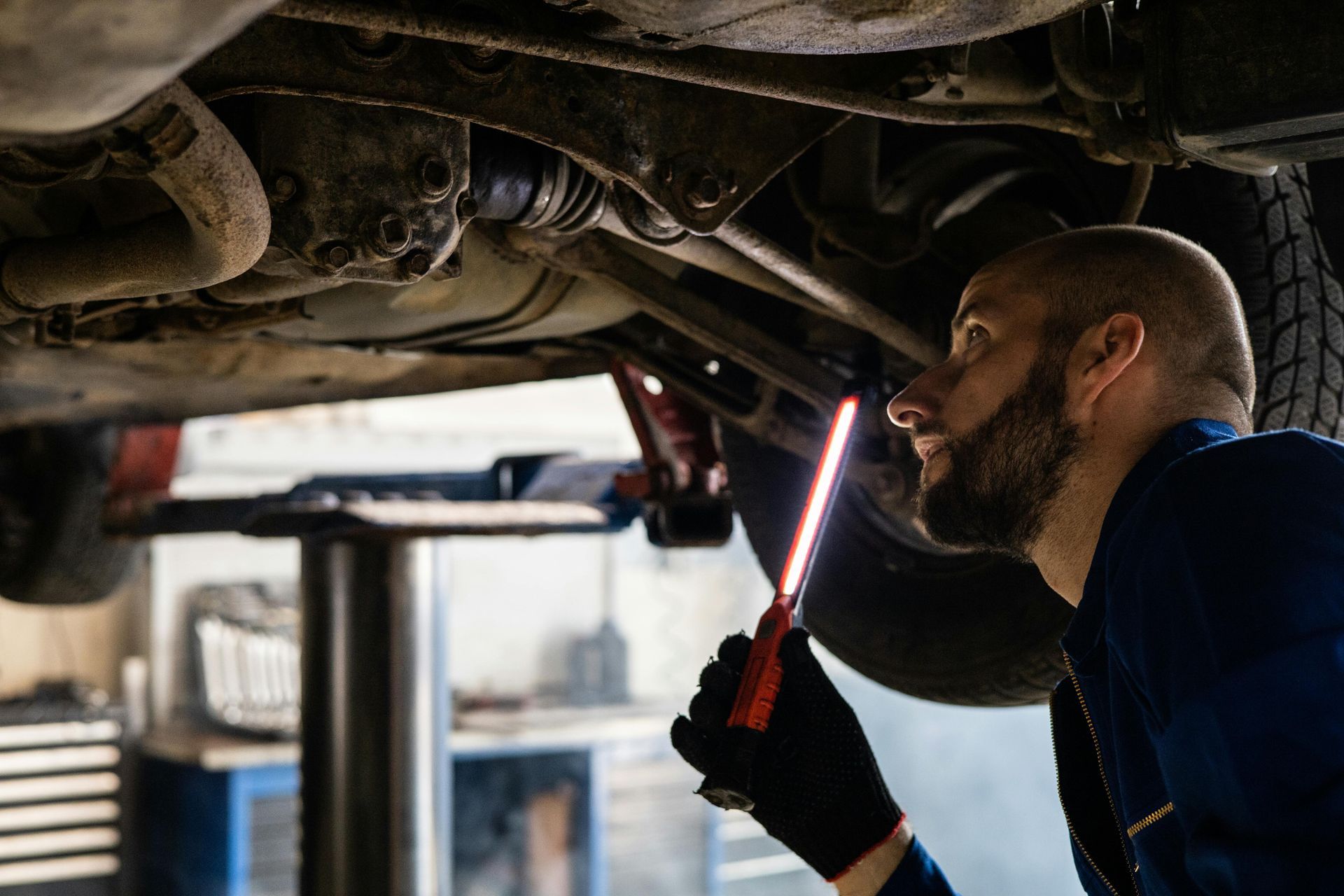
Mechanic inspecting the underside of a vehicle with a flashlight in an auto repair shop
May 20, 2026
Learn how much a North Carolina State Inspection costs, what’s included, emissions testing requirements, and why drivers trust Chapel Hill Tire for fast, reliable inspections.
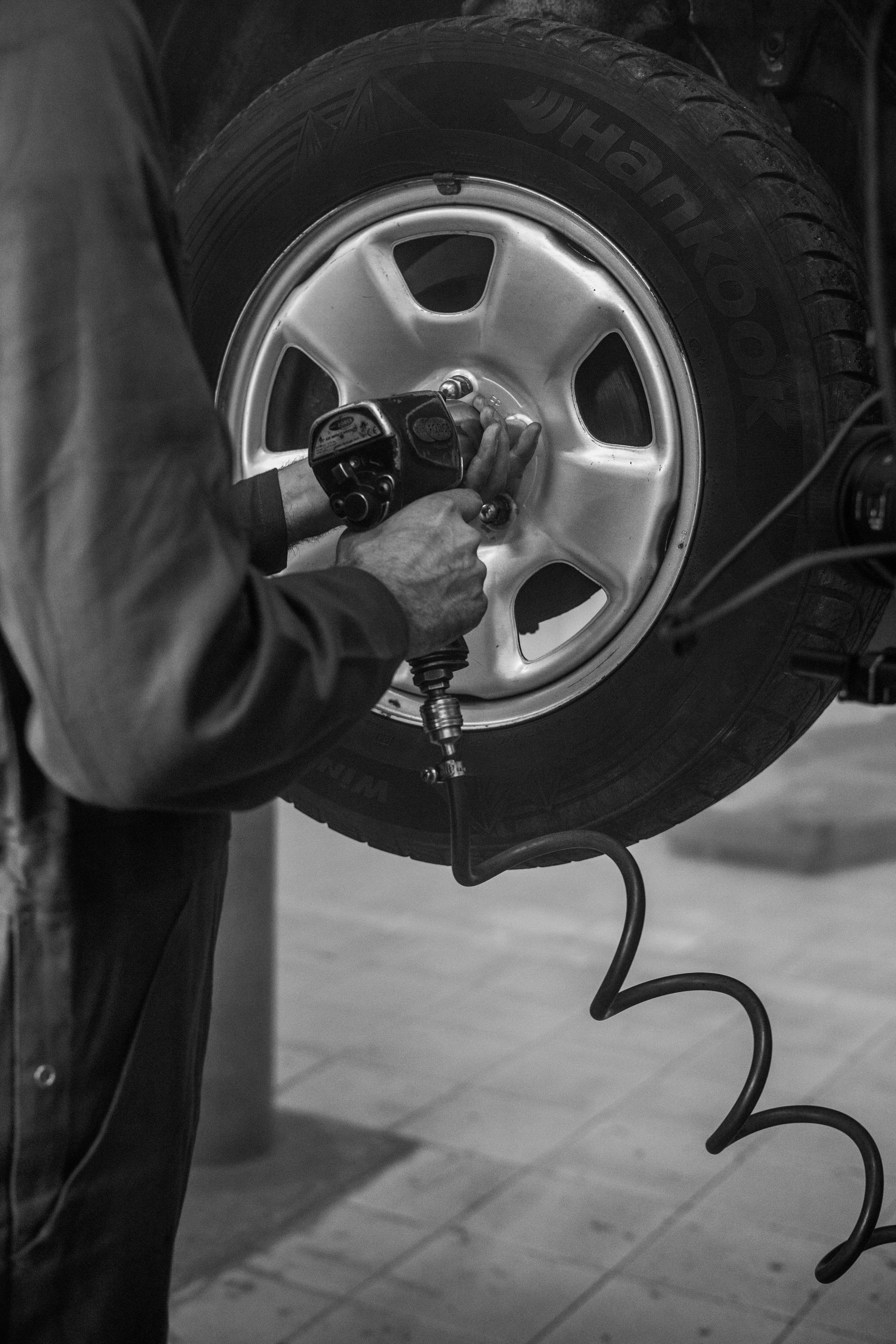
Mechanic using a power tool to remove a car wheel lug nut in a garage
April 29, 2026
Chapel Hill Tire now offers Continental tires with no installation cost. Enjoy premium brands, transparent pricing, and a better tire buying experience.

Drive-thru bank building with glass entrance and a yellow service car parked outside.
April 29, 2026
Compare Chapel Hill Tire vs dealerships and discover a better tire buying experience with transparent pricing, premium brands, and no installation costs.

A white Subaru Outback parked on a dirt path in a forest of tall, slender pine trees.
March 20, 2026
Experiencing uneven tire wear or pulling in your Subaru Outback? Learn the signs of alignment issues and get expert wheel alignment service at Chapel Hill Tire.
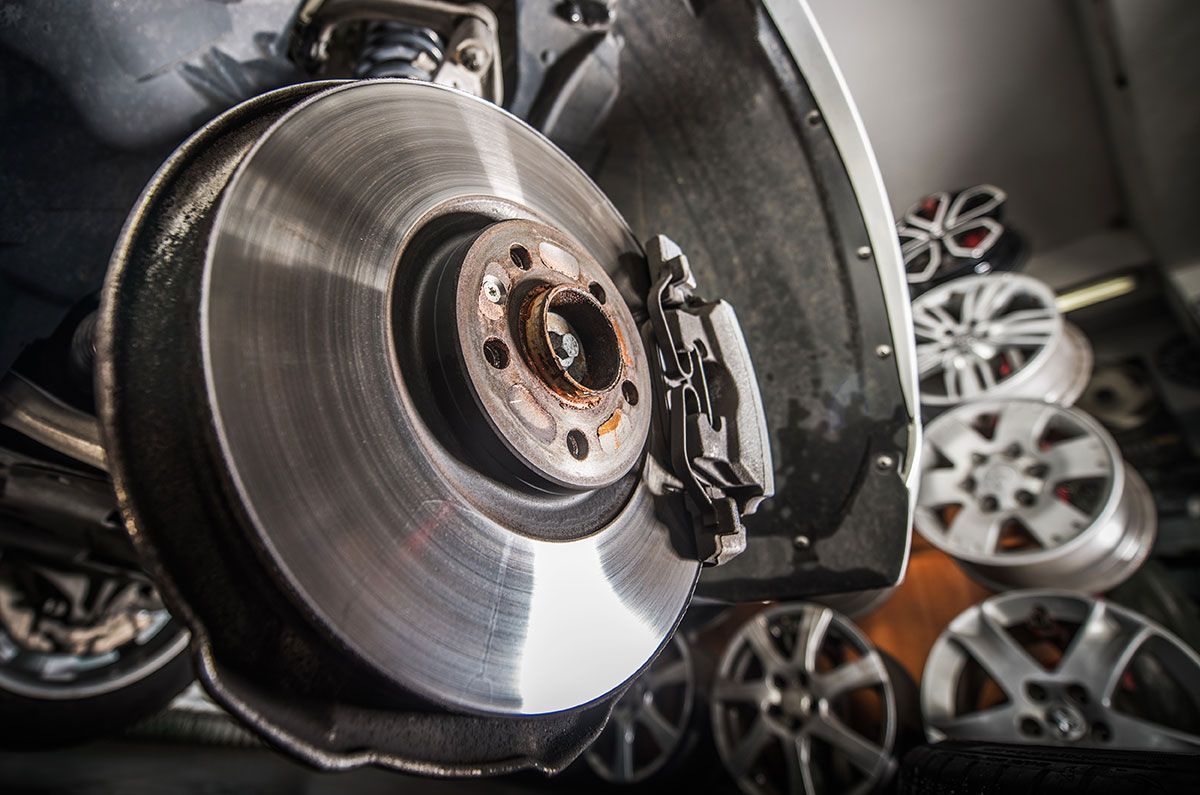
A car brake disc and caliper assembly in a garage, with several spare alloy wheels stacked in the blurred background.
March 20, 2026
Replacing brake pads? Learn when you need new rotors, why modern vehicles often require both, and get expert brake service at Chapel Hill Tire.

Cars buried under heavy snow on a street, winter scene.
By Chapel Hill Tire March 10, 2026
Cars from northern or coastal states often face salt-related rust and corrosion. Learn why sharing your car’s history helps your mechanic inspect, diagnose, and repair it more accurately.

Mechanic in blue overalls on phone, holding clipboard, near a reddish-orange car inside a garage.
By Chapel Hill Tire February 17, 2026
Learn how to describe car noises clearly, including what it sounds like, when it happens, and where it comes from, so your technician can diagnose and fix it faster.

Black BMW X3 SUV driving on a road next to a building.
February 11, 2026
Automakers are adding subscription fees for features like heated seats and remote start. Learn how vehicle subscription models affect ownership, costs, and maintenance.

Black Ford F-150 pickup truck parked in a car lot with other vehicles, sunny day.
February 9, 2026
Learn the most common Ford F-150 suspension problems, warning signs to watch for, and when to schedule professional suspension repair at Chapel Hill Tire.

White Nissan Sentra parked in a paved lot, with a yellow car in the background; palms trees and a building are visible.
January 27, 2026
Learn how often a Nissan Sentra needs an oil change, what affects oil life, and when to service it. Get expert oil change service at Chapel Hill Tire.


Belt Services FAQ

  • What is the role of the serpentine belt in a vehicle?

    The serpentine belt is a long, winding belt that drives multiple peripheral devices in an engine such as the alternator, power steering pump, water pump, air conditioning compressor, and sometimes the cooling fan. It is crucial for the functioning of these systems.
  • What are tensioners and pulleys, and why are they important?

    Tensioners are devices that maintain the correct amount of tension on the serpentine belt to ensure it runs smoothly without slipping or overheating. Pulleys guide the belt around the various engine components. Both are essential for maintaining the belt’s alignment and tension.
  • How do I know if my vehicle's belt, tensioner, or pulleys need repair or replacement?

    Signs that these components may need attention include a squealing noise from the engine compartment, visible wear or cracks on the belt, a belt that appears too loose or too tight, or any unusual vibrations or movements from the tensioner or pulleys.
  • What happens if a serpentine belt breaks while driving?

    If a serpentine belt breaks, it will cause an immediate loss of power to all systems it drives, such as the power steering and alternator, potentially leading to engine overheating and battery drain, which can result in a vehicle breakdown.
  • How often should the serpentine belt, tensioner, and pulleys be replaced?

    These components should generally be inspected every 10,000 to 15,000 miles and replaced every 60,000 to 100,000 miles. However, always consult your vehicle’s owner's manual for specific recommendations.
  • Can I replace the serpentine belt, tensioner, and pulleys myself?

    Replacing these components can be complex and requires specific tools and knowledge of engine mechanics. If you are not experienced in vehicle maintenance, it is advisable to have these components replaced by a professional mechanic to avoid damage or incorrect installation.
  • How long does it take to replace these components?

    The replacement process generally takes between 1 to 3 hours, depending on the accessibility of the belt system and whether multiple components are being replaced at the same time.
  • What additional maintenance should be considered when replacing the serpentine belt, tensioner, and pulleys?

    When replacing the serpentine belt, tensioner, or pulleys, it's a good opportunity to inspect related components such as the alternator, water pump, and power steering pump for any signs of wear or damage. This can prevent future breakdowns and ensure all parts are functioning optimally. Regular inspection of these components can help maintain the overall health of your vehicle's engine system.
  • How can I book a service appointment for belt, tensioner, and pulley replacement?

    You can schedule a service by calling our shop, booking online through our website, or visiting us in person during business hours. We recommend booking in advance to ensure your vehicle is serviced without delay.
  • What are the signs that a timing belt needs replacement?

    Signs that your timing belt may need replacement include a ticking noise coming from the engine, the engine won't turn over, a misfire, or the engine suddenly stops. You may also notice oil leaking from the front of the motor. It’s crucial to address these signs immediately to avoid engine damage.
  • How can I tell if my timing belt has been replaced?

    To determine if your timing belt has been replaced, you can check the service history of the vehicle. Most vehicle service records will include a notation when the timing belt is replaced. If no records are available, a mechanic can inspect the belt for signs of wear or previous replacement.
  • What happens if a timing belt breaks while driving?

    If a timing belt breaks while driving, the engine will stop running immediately. This can be dangerous if it occurs while driving at high speeds or in traffic. In many engines, especially those with an interference design, a broken timing belt can lead to significant engine damage, including bent valves, cylinder head or camshaft damage, and piston and cylinder wall damage.
  • Is it necessary to replace other components when changing a timing belt?

    Yes, it is often recommended to replace other related components when changing a timing belt. This typically includes the water pump, tensioner, and idler pulleys. Since these components are accessible during the timing belt replacement and have similar lifespans, replacing them at the same time can prevent future breakdowns and additional labor costs.
  • How long does it take to replace a timing belt?

    Replacing a timing belt typically takes about 4 to 6 hours, depending on the complexity of the engine and the specific vehicle model. Some vehicles have more accessible engine compartments than others, which can affect the duration of the replacement process.

Featured Car Brands

Loading logos...

Featured Car Brands

Loading logos...